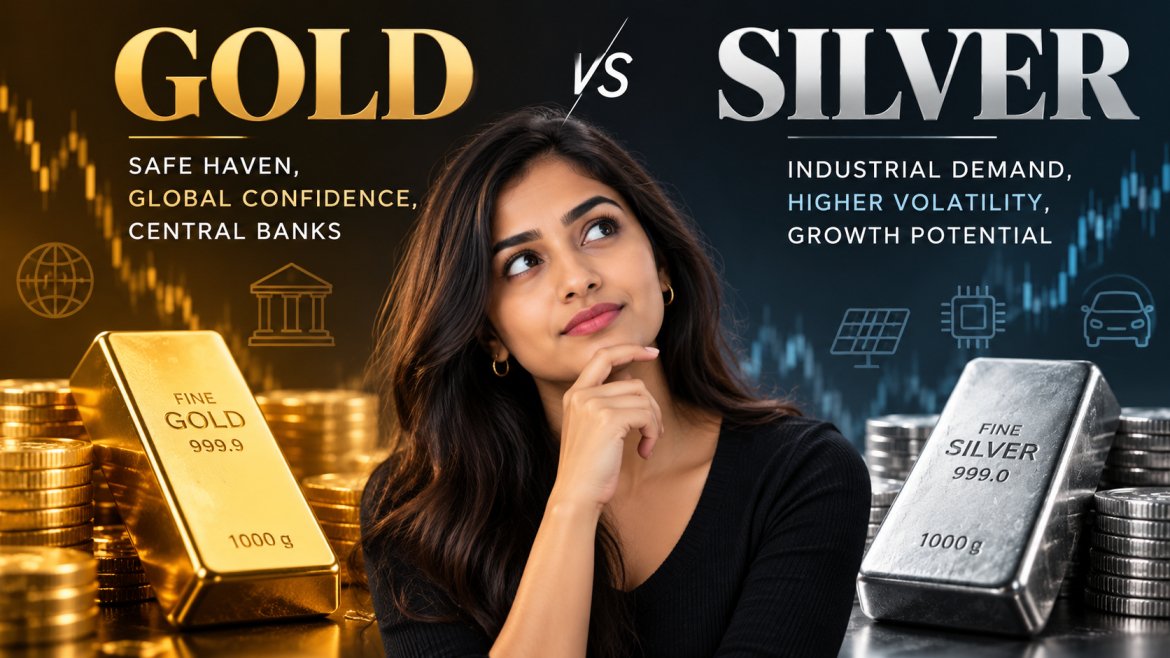
Gold vs Silver: When Fear Hits the Market, Which Metal Tells the Real Story?
Two precious metals. One global economy. Two very different stories.
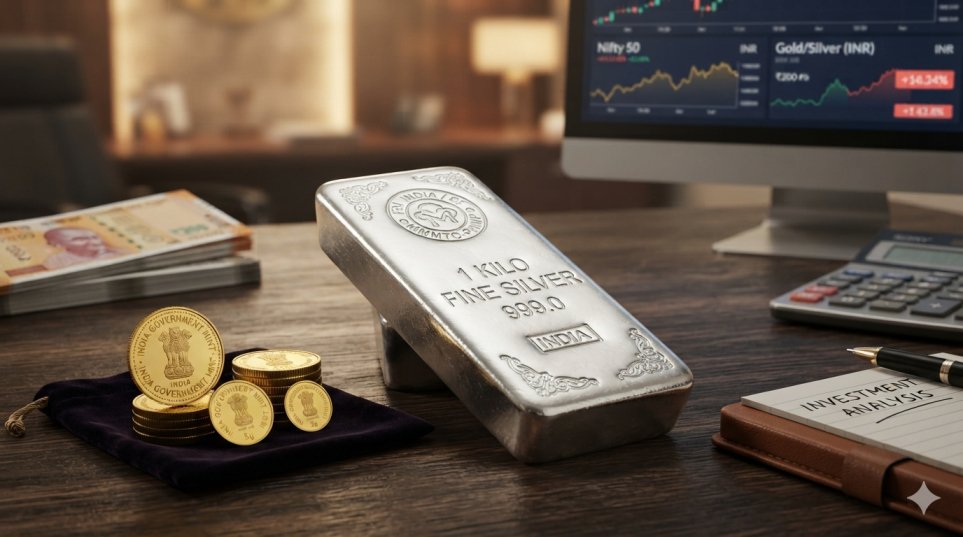
When financial markets become uncertain, investors often turn to gold and silver together. Both are tangible assets, both have monetary histories, and both can benefit when confidence in financial markets weakens. Yet treating them as interchangeable may be one of the biggest mistakes a precious-metals investor can make.
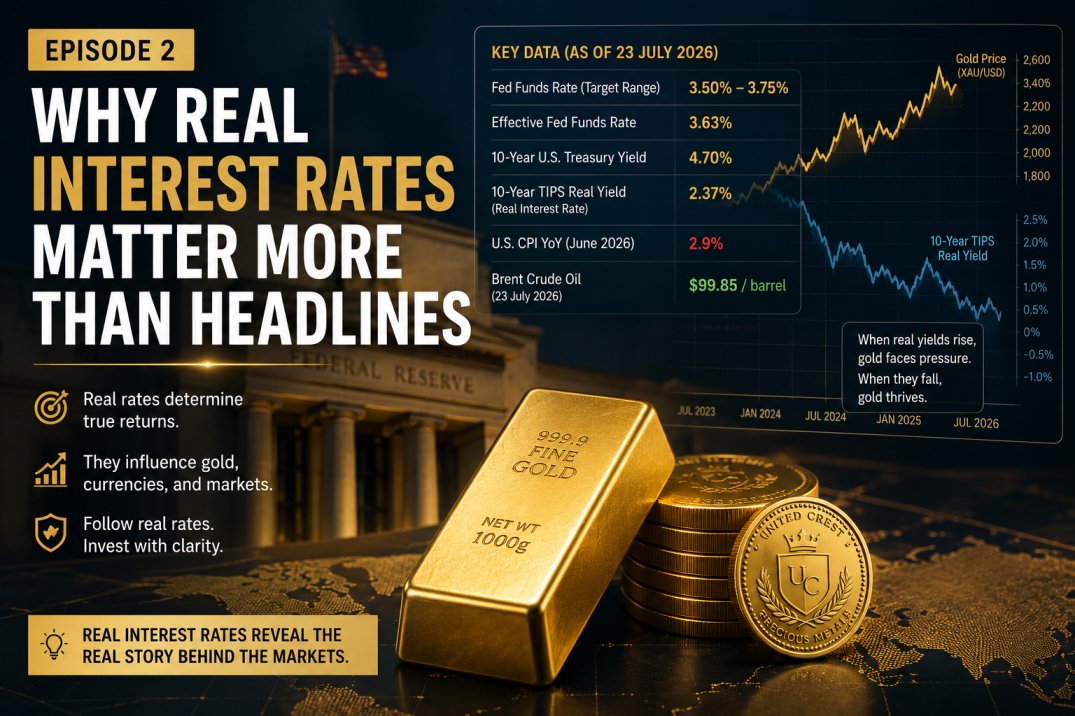
Gold is primarily a monetary asset. Silver is both monetary and industrial. That distinction can change everything.
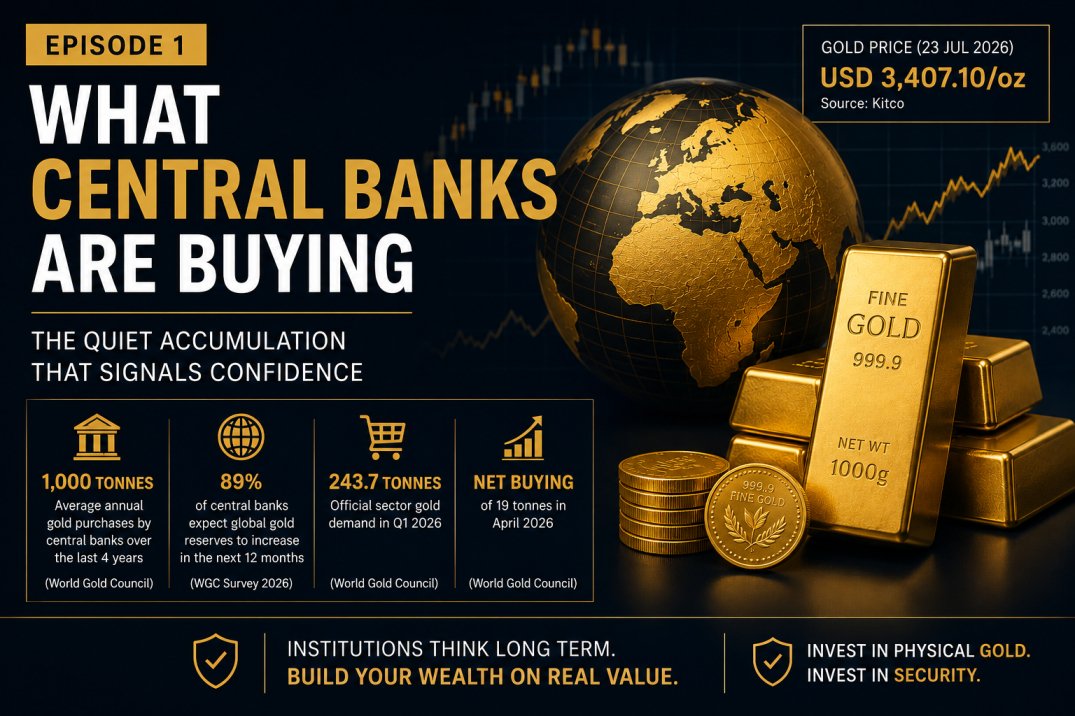
Gold demand is influenced by central-bank purchases, currency concerns, real interest rates and investors seeking protection against financial uncertainty. Even when prices correct sharply, official-sector buying and investment demand can provide underlying support. The World Gold Council reported that central banks purchased a net 289 tonnes of gold in the second quarter of 2026.
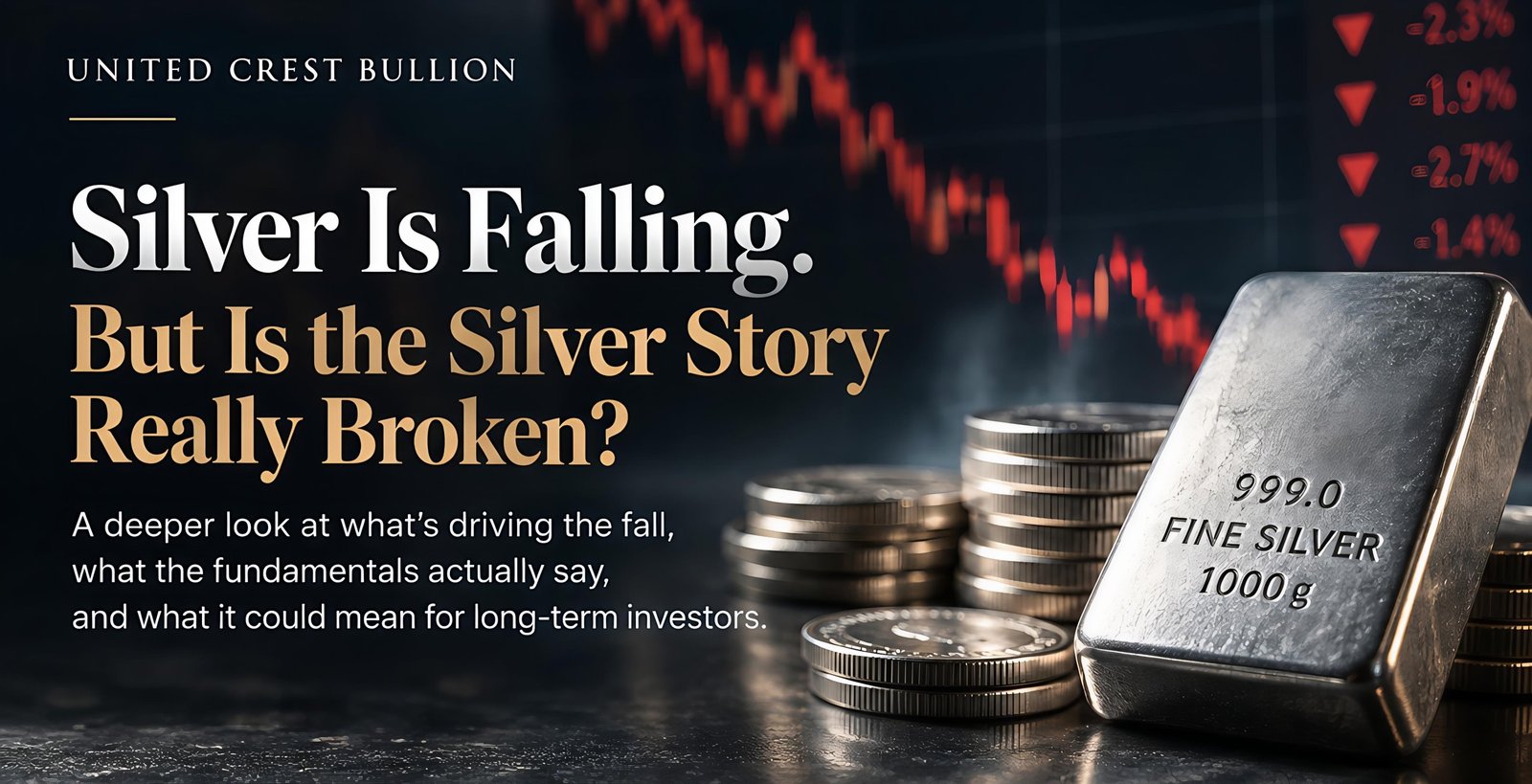
Silver operates under a different set of pressures. It is used in electronics, solar technology and numerous industrial applications. Consequently, silver prices can respond not only to inflation and currency movements but also to manufacturing activity, industrial investment and expectations of economic growth.
This creates an interesting paradox. During periods of economic fear, gold may benefit from safe-haven demand, while silver can face pressure if investors anticipate weaker industrial consumption.
But the reverse can happen when economic growth strengthens and industrial demand improves.
So, which metal is better?
There is no universal answer. Gold may appeal to investors prioritising monetary protection and portfolio diversification. Silver may interest those seeking exposure to both precious metals and industrial demand—but with potentially greater volatility.
The important lesson is that owning both metals does not necessarily mean owning two assets that behave identically.
The smarter question is not whether gold is better than silver. It is understanding what role each metal plays in your financial strategy.
At United Crest Bullion, we believe informed precious-metals ownership begins with understanding the forces behind the price—not simply following the price itself.
Disclaimer: This article is for educational purposes only and is not investment advice. Precious metals carry market risk, and past performance does not guarantee future results.
Share: